
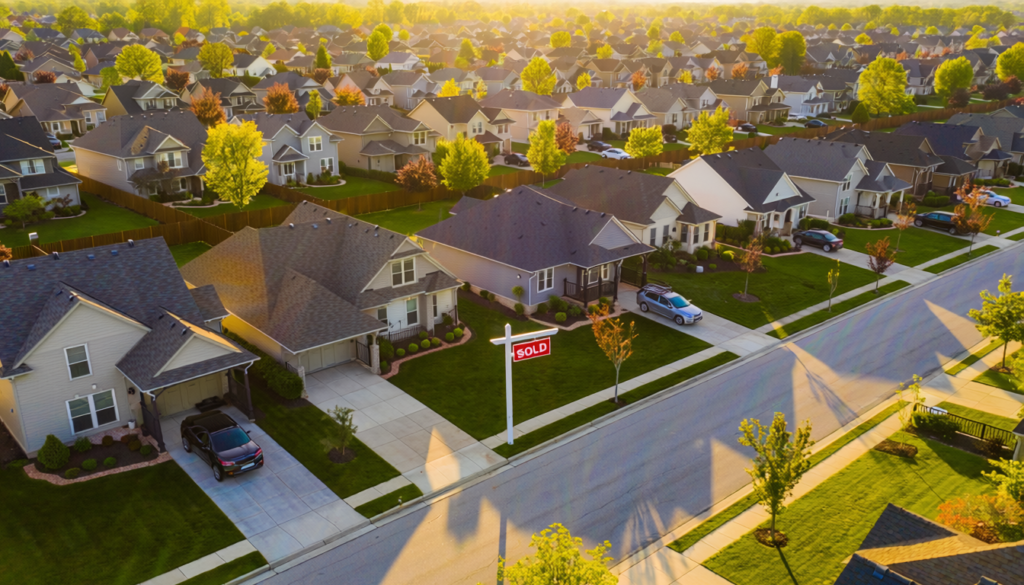
Most people assume that buying a rental property means driving the neighborhood yourself, shaking hands with the seller in person, and being close enough to check on things when something goes wrong. That assumption keeps thousands of would-be investors stuck in expensive local markets with thin margins and limited upside. The truth is that some of the best investment properties in America are in cities most investors will never set foot in — and you can buy one without ever visiting. Remote real estate investing has gone from niche strategy to mainstream in the past decade, and in 2026, the tools, platforms, and professional networks available to out-ofstate investors make the process more reliable than ever. If you’re considering your first remote investment property, here’s exactly how to approach it.
Start With the Market, Not the Property
The single biggest mistake first-time remote investors make is falling in love with a specific property before they’ve validated the market. A great house in a bad market is a bad investment. A decent house in a strong market can outperform almost anything you’d find locally. Before you look at a single listing, spend time understanding the fundamentals of your target market. What is the population trend? Is the city growing or shrinking? What industries drive employment there — and are those industries stable or at risk? What is the average rent-to-price ratio, and does it support positive cash flow? These questions should be answered before you ever pull up Zillow. Tools like the U.S. Census Bureau’s data explorer, the Bureau of Labor Statistics, and platforms like Mashvisor or BiggerPockets Market Finder can give you a data-driven picture of any market in the country. Look for cities with diversified job markets, population growth of at least 1% annually, and median home prices that allow for rent ratios above the 1% rule (meaning the monthly rent is at least 1% of the purchase price).
Build Your Team Before You Make an Offer
In remote investing, your local team is everything. You will be entirely dependent on people on the ground to be your eyes, ears, and hands. The core of your team should include: a real estate agent who specializes in investor properties (not just primary residences), a property manager with a strong track record and verifiable references, a local contractor or handyman for repairs and inspections, and a real estate attorney familiar with your target state’s landlord-tenant laws.
Don’t wait until you find a property to start building this team. Interview multiple property managers before you buy — they know the local rental market better than almost anyone, and a good one will tell you which neighborhoods to avoid, what rents are realistic, and what types of properties attract reliable tenants. A bad property manager, on the other hand, can turn a profitable investment into a nightmare, no matter how good the deal looked on paper.
Analyze the Numbers Conservatively
When analyzing a remote deal, the numbers have to make sense at a distance. That means accounting for costs you might underestimate if you were managing the property yourself: professional property management (typically 8–12% of monthly rent), vacancy (budget at least 5–8% annually), maintenance and repairs (budget 1% of the property value per year as a baseline), capital expenditures like a new roof or HVAC (budget another 1%), and insurance, taxes, and any HOA fees. Run your numbers using actual market rents — not optimistic projections. Call local property managers and ask what a property like yours would realistically rent for today. Check Rentometer and Zillow Rent estimates, but weight the on-the-ground intel more heavily. If the deal still cash flows after accounting for all of these expenses, you likely have a solid investment. If it only works in a best-case scenario, walk away and find another market or property.
Do Your Due Diligence Remotely — But Thoroughly
Not visiting the property in person doesn’t mean skipping due diligence — it means doing it differently. Hire a licensed home inspector and, ideally, a separate specialist for any major systems (roof, HVAC, foundation). Ask your inspector for a video walkthrough in addition to the written report. Many inspectors now offer live video calls where they walk you through the property in real time. This gives you a far better feel for the condition of the home than a PDF with photos. Use Google Street View and satellite images to understand the neighborhood. Look at crime mapping tools like SpotCrime or AreaVibes. Drive the virtual streets around the property and look for signs of neighborhood stability or decline — landscaping, condition of adjacent homes, proximity to amenities. Review the title report carefully with your real estate attorney. Understand the local landlord-tenant laws, especially around evictions, security deposits, and habitability requirements. These laws vary dramatically from state to state and can significantly affect your returns.
Close and Manage From Anywhere
Remote closings are routine in 2026. You can sign documents via e-signature platforms, wire funds electronically, and communicate with your title company via email and video call. Many states allow remote online notarization (RON), which means you may never need to physically sign a paper in front of anyone. Once the property closes, your property manager takes over. Set clear expectations upfront: how often you expect reports, what maintenance issues they can handle without calling you, what the threshold is for repairs requiring your approval, and how rent will be disbursed to you. A good property management agreement covers all of this in writing. Check in regularly but not obsessively. Monthly statements, quarterly check-ins with your property manager, and an annual review of the property’s performance will keep you informed without micromanaging.
The Mindset Shift That Changes Everything
The hardest part of remote real estate investing for most people isn’t the logistics, it’s the mindset. We’ve been conditioned to believe we need to be close to our investments to protect them. But the data doesn’t support that. Investors who buy in high-growth markets with strong teams consistently outperform those who limit themselves to their own backyard. Your first remote investment property is a proof of concept. Get the process right, build the team, run the numbers conservatively, and let the system work. Once you’ve done it once, the second deal is dramatically easier.
If you want a comprehensive guide to every step of this process, from selecting your market to managing your portfolio from anywhere in the world, Jason Munger’s book *Remote Real Estate Investing* walks you through it all. Whether you’re starting from scratch or looking to systemize a portfolio you’ve already built, it’s the resource remote investors rely on.